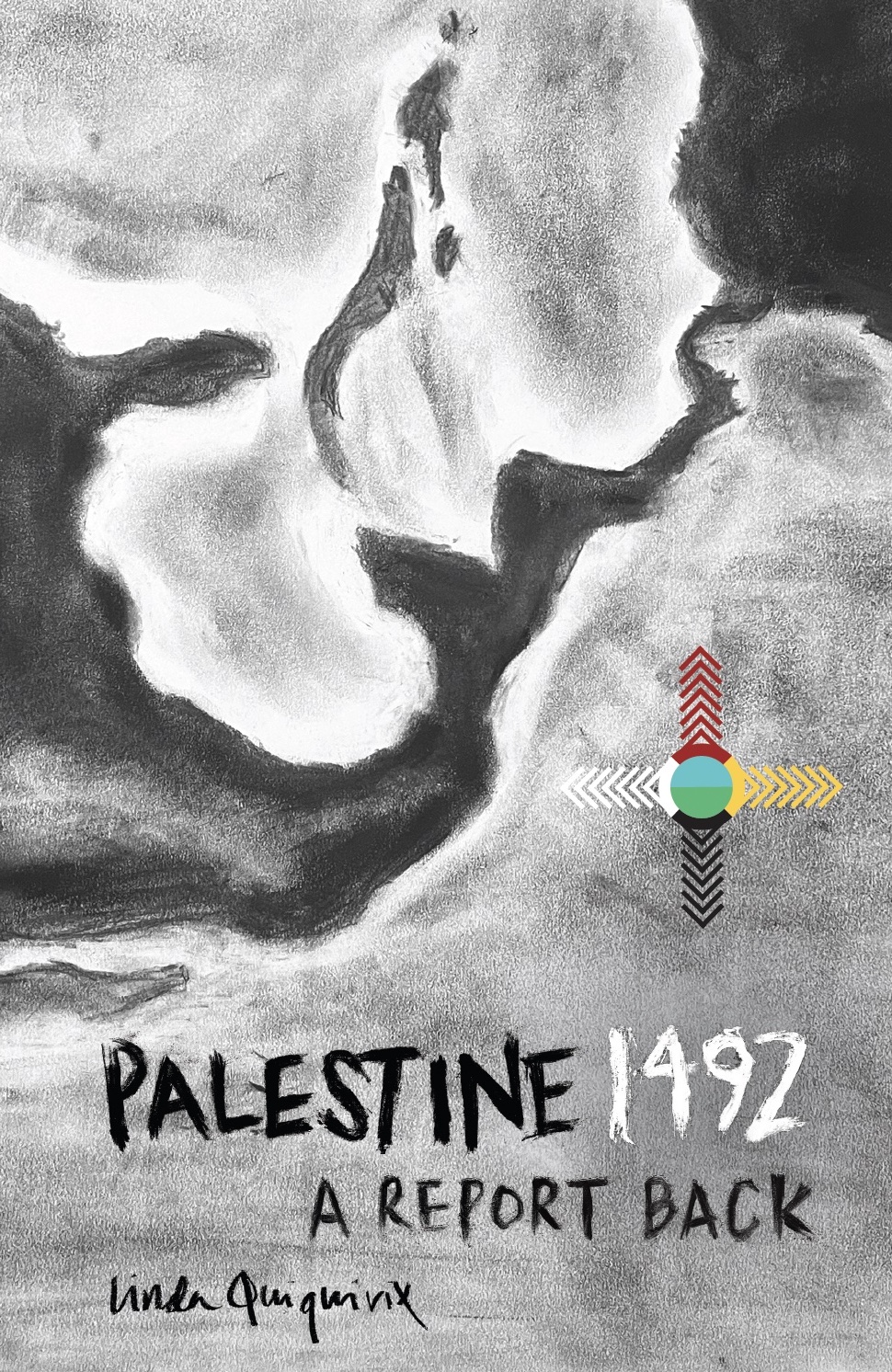
Palestine 1492: A Report Back
by Linda Quiquivix (Author and Illustrator)
Paperback: $25.00
Cloth: $45.00
Publication Date: September 2024
Edition: 1st
Rights: World
Language: English
Pages: 352
ISBN Paperback: 978-1-7371900-3-5
ISBN Cloth: 978-1-7371900-4-2
Trim Size: 5.5 x 8.5
Color: Black and White
Images: 90 illustrations, 65 maps, 28 photographs, 12 figures
Order from your local independent bookstore and online at:
Contact us for direct wholesale orders
About the Book
Palestine 1492 is a report back of what I see from 500 years of the struggle for life in words, maps, and images in the seven cardinal directions and in the spiral that is time.
In Maya geography, there is east, west, south, and north, and there is also earth and sky. In the middle there is you, a meeting place between the physical, spiritual, emotional, and mental that together make up the social, a meeting place between earth and sky.
East, the physical, begins this report back by orienting us in a corner of Mother Earth still holding a stubborn insistence on life: Palestine.
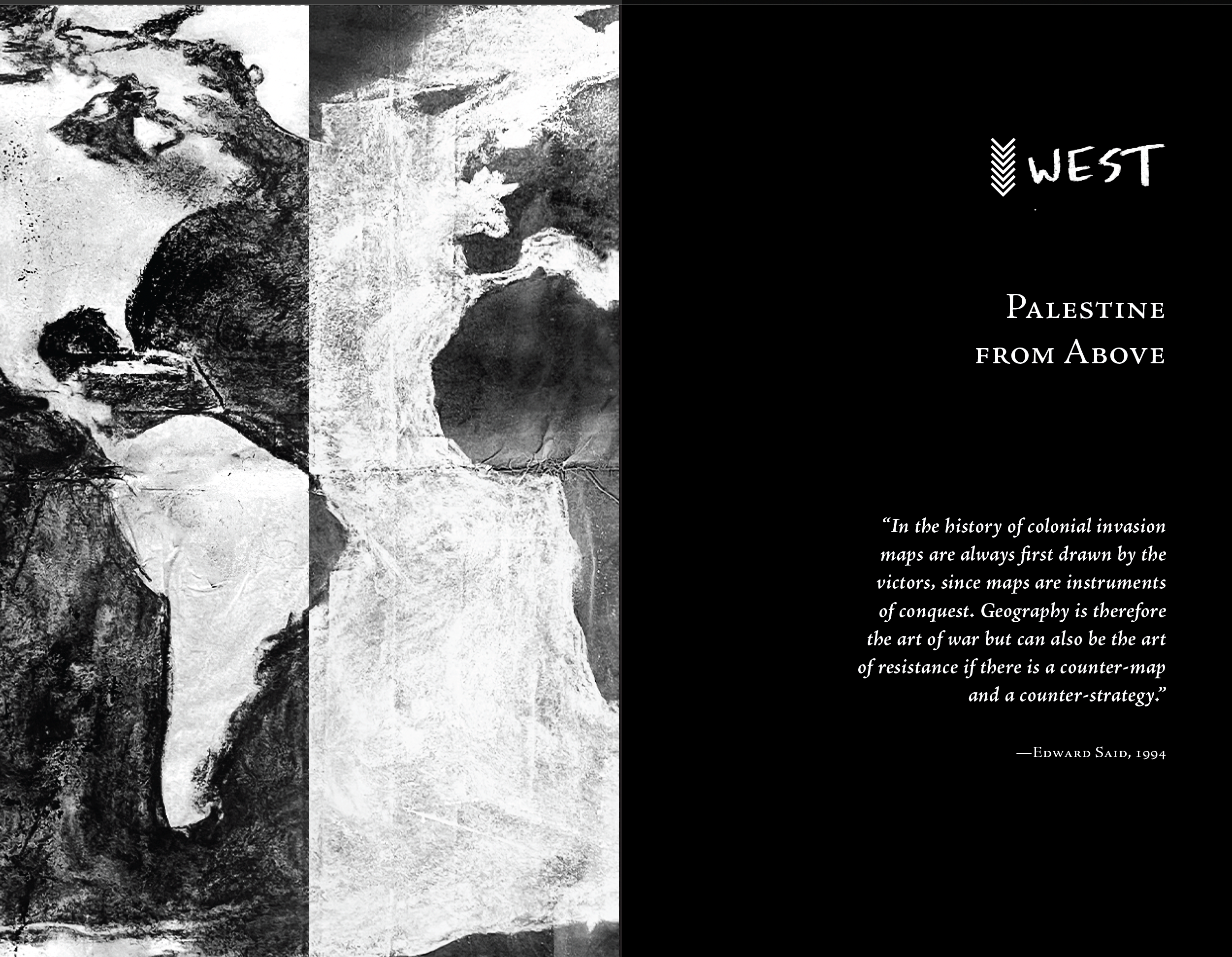
West, the spiritual, helps diagnose an illness of a wounded, imbalanced, and dangerous world imposed globally since 1492.
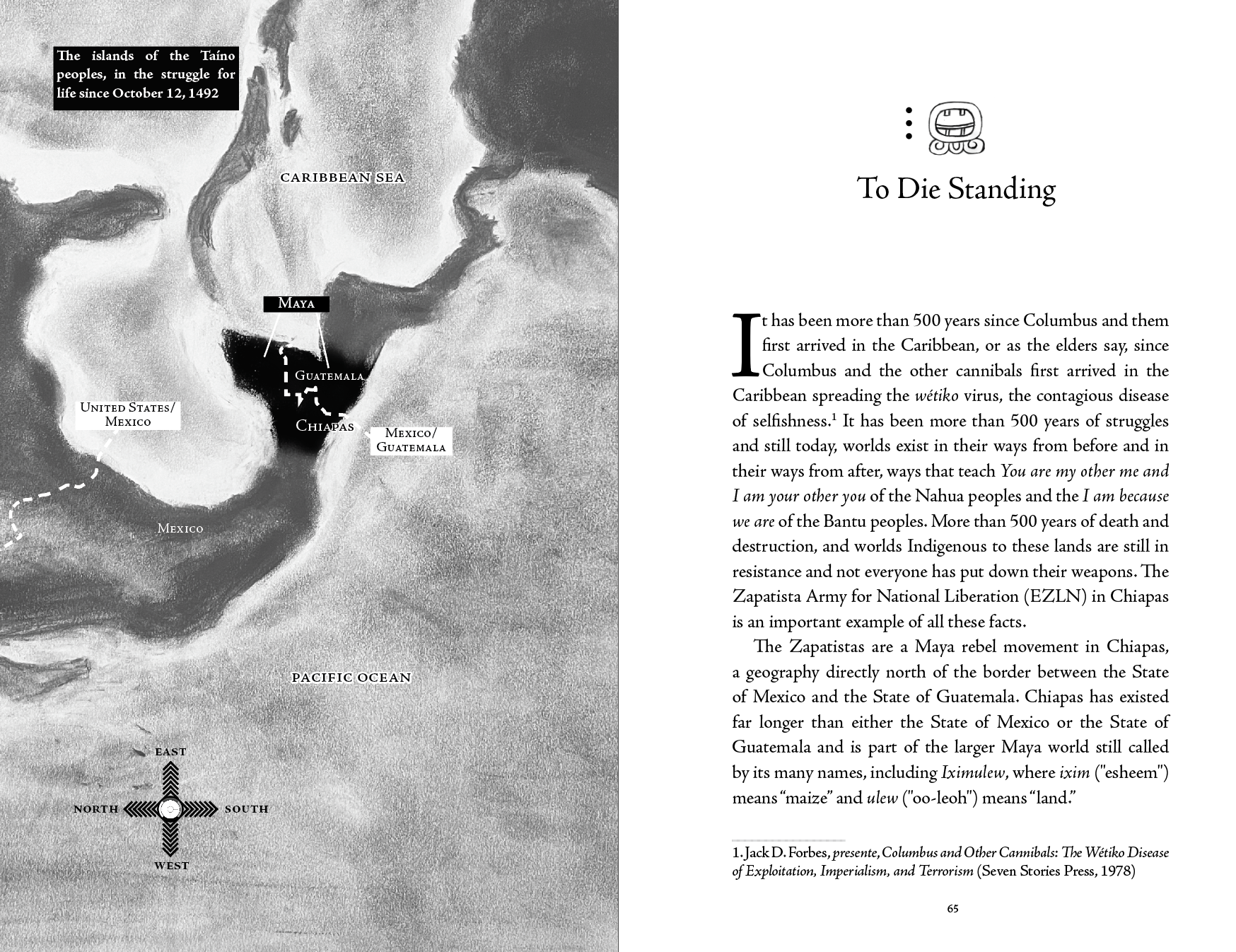
In the South, the emotional, Chiapas nourishes our courage from below in a time of World Wars and global rebellions.
In the North, the mental, we flip the world on its head but not to remain, to help plan our common escape.
Throughout, I share conclusions Palestinians, Zapatistas, Panthers, and jaguars have taught me along this journey: that this world itself is unethical, and that changing it is difficult, even impossible. If after reading you also believe this to be true, may we dismantle this world together and help build a new one from below and in common, together and side by side.
About the Author
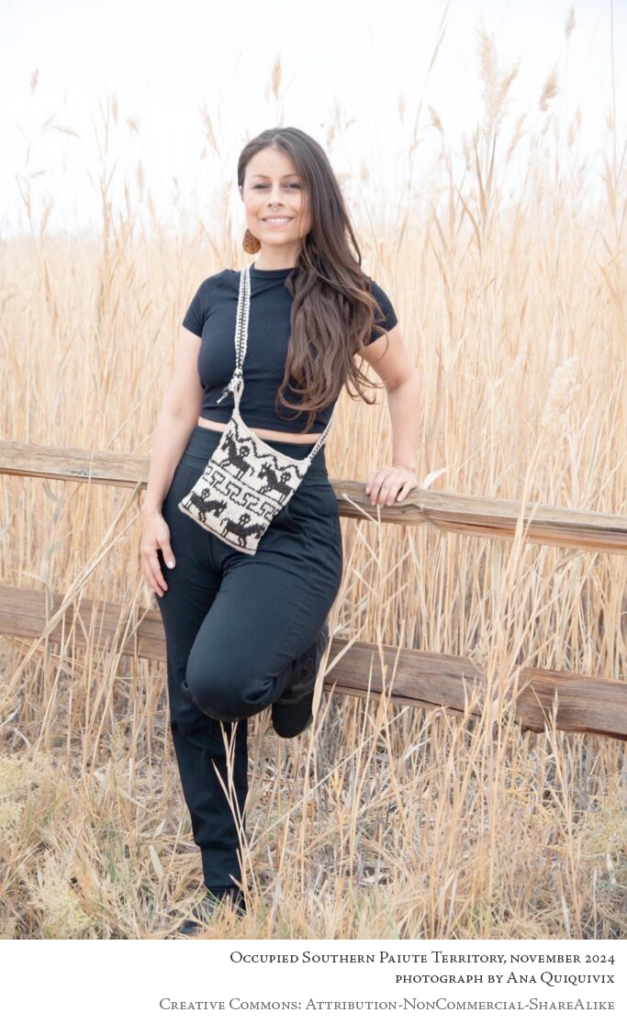
Linda Quiquivix is a geographer and popular educator of Maya-Mam roots raised by Palestinians, Zapatistas, Panthers, and jaguars.
Learn more about her work at quiqui.org
Acknowledgements
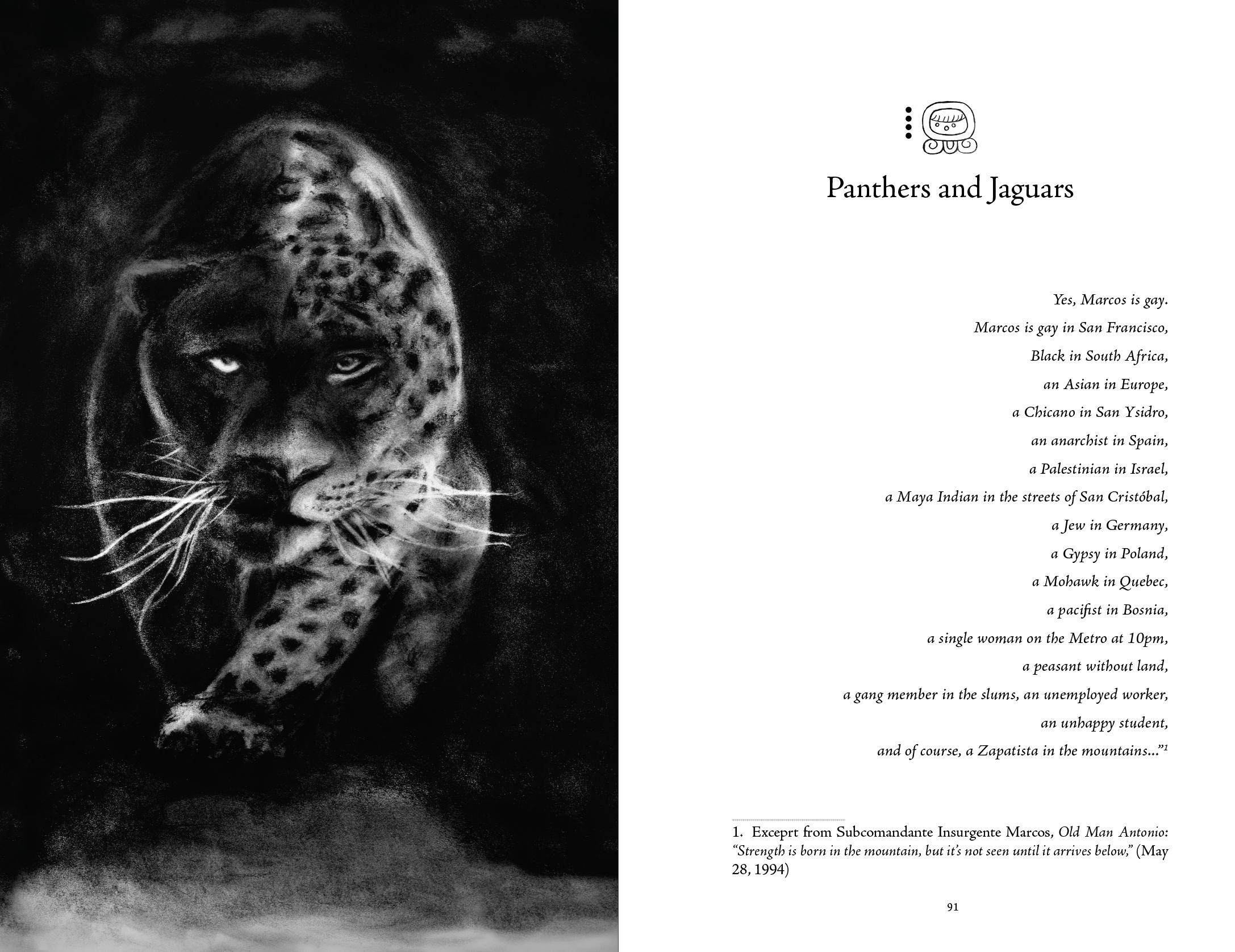
This book was midwived over six years by an Iranian compa and volunteer-edited by Palestinian, Egyptian, and Mexican compas. The charcoals used in the illustrations were gifts from the fires of anti-Zionist Jewish shepherds, a border-transgressing Indigenous compa, and the midwife’s Palo Santo stick.
Reviews
A reimagination of geography where difference is respected rather than erased.
— Harvard Divinity School, by Zainulabideen Jafri, Religion and Public Life
Palestine 1492 presses us to first recognize the profound nature of our collapsing world, the result of 500 hundred years of fracturing, exploitation, and alienation. It shows us the costs of modernity; it rips the veil off our illusions. It also shows how people Below have managed to create their own mappings of their environment, maps that offer us a world that is categorically different from the conventional manners in which lands, oceans, rivers, and peoples have been named and contained. The greatest challenge posed by the book is not to recognize and critique these acts of naming and mapping but to live otherwise.
— Los Angeles Review of Books, by David Palumbo-Liu, Louise Hewlett Nixon Professor and Professor of Comparative Literature at Stanford University
Right now, we are witnessing horror on a mass scale, made all the more horrible because this is wholly preventable. Right now, we need voices who can help us to understand why this is happening, how it is we got here, and what we might do in response. Quiquivix offers us such a voice. In Palestine 1492, she undertakes a rich and wide-ranging analysis to show us how such colonial violence emerged and how we might resist it. In fact, Quiquivix goes further, sharing with us a political vision that strive toward peace, equality, and mutual acceptance of one another across our differences. A world, in short, without the violence done through and to uphold borders.
— New Books Network, by Eric LeMay, Ohio University Writing Program
One of the best books I have read in a very, very long time and just what I needed and wanted to understand better this time in world history. I had been seeking explanations beyond the specifics of any given horrific situation in the world, especially Palestine and the U.S., European, and other states’ relationships to the occupation and genocide and to genocides elsewhere. I lucked out when a friend handed me Palestine 1492: A Report Back; I devoured the book in a few sittings.
— Margo Okazawa-Rey, Professor Emerita San Francisco State University and co-founder of the Combahee River Collective
An engaging and poetic liberation primer, with enormous value to the new and seasoned alike. The book is split into four sections, beginning in Palestine, traveling on to a crash course in global history since 1492, through to Chiapas, Black liberation, and our impossible task ahead. As I read, I felt so many things click satisfyingly into place alongside QuiQui’s big picture analyses, while her references offer a thousand worthwhile threads to follow.
— Firestorm Collective, by member Beck
A voyage from Turtle Island to Palestine not only through the lens of someone who has crystal clear transnational awareness of the U.S. settler-colonial project (including the satellite Zionist entity), but entwined in this narrative is the voice of Palestinians themselves, imbued with an admirable sense of praxis and heart. Here Quiquivix sings a song indigenous communities all over the world can close their eyes to with a dark sense of déjà vu and walk away wielding something glowing, new.
— Thaer Husein, author of Beside the Sickle Moon: A Palestinian Story
Quiqui’s words remind us that we do not face new struggles, only new masks on old struggles. Her book reminds us that the only way out is through – side by side.
— David Michael Pritchett, author of Mossback: Ecology, Emancipation, and Foraging for Hope in Painful Places
This is a book for the dark times in which we live, as fascism spreads across the globe, enveloping country after country, including my own, as a live-streamed genocide is being committed in my name, as millions of people are being are experiencing famine, as we watch helplessly as nothing of any use is being done to curb climate change … it is a book full of light. It is a tool box. Linda Quiquivix spends time in Palestine, in Chiapas with the Zapatistas, she (correct pronoun?) illuminates Afropessimism … and that’s just a start. Written in an informal, personal, voice, and full of her charcoal images like an illuminated manuscript, Palestine: 1492 is an invitation to keep going, keep struggling, keep hoping, keep knowing that you are not alone.
— John B. Rissman, reader
Palestine 1492 is a stunning and beautiful piece of work. Quiquivix’s words are sustenance in the struggle – equal parts soothing and incisive. This book belongs in every classroom, every reading group, and on every bookshelf of anyone seeking a deeper understanding of how things got the way they are, and the centrality of the Palestinian cause to all liberation movements worldwide.
— Chaim Rochester, reader
It is a meditation; it’s therapy, history class, geography class, and inter-ethnic healing salve. It says what we’ve been feeling and thinking, releasing us from isolating sensations of disorientation, calling us together back to our humanness.
And our divinity.— Peacefulseeker, reader
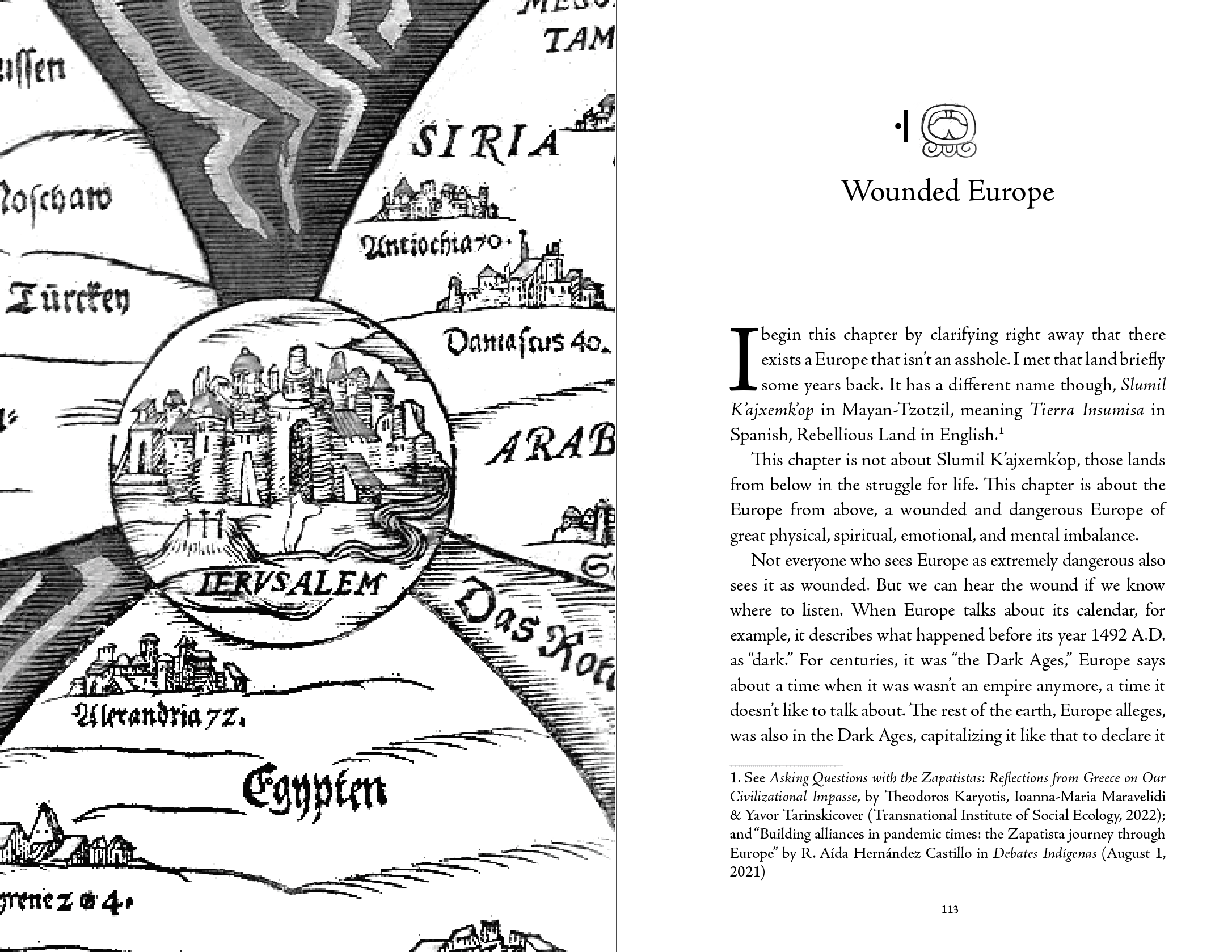
This is an incredible book. Quiquivix does a beautiful job of sharing history, weaving in her own journey, and using images to share the understanding of colonialism and the way it causes harm. Her words are poetic and inspiring as she shares wisdom from herself and teachers. The use of images and maps was helpful and I learned so much from this! I often paused and had to highlight or write a quote down and ponder. Here’s one of the many from this book: “We are equal because we are different….its in nature. Wisdom is observed all the time in nature.”
Highly recommend this read!— Lauren, reader
At its core, Palestine 1492 is an act of witness. It invites readers to reckon with history honestly, to question inherited assumptions, and to listen more carefully to voices too often marginalized. The book is rigorous, urgent, and deeply humane an essential contribution for readers seeking understanding, accountability, and historical truth.
— Dalyn, reader
Really loved this book. Quiquivix draws heavily from Zapatista teachings in her analysis and poetic style alongside voices and perspectives from Palestinian resistance and communities, the Panthers and Black Liberation movements, and anti-colonial struggles worldwide. Her emphasis on the context of struggle and the position of those struggling is supported by historical deep-dives from the crusades to modern empires and personal experience in communities of resistance. Overall just a really good read that felt grounded, principled and personal.
— Pothos, reader
Read & Listen for Free
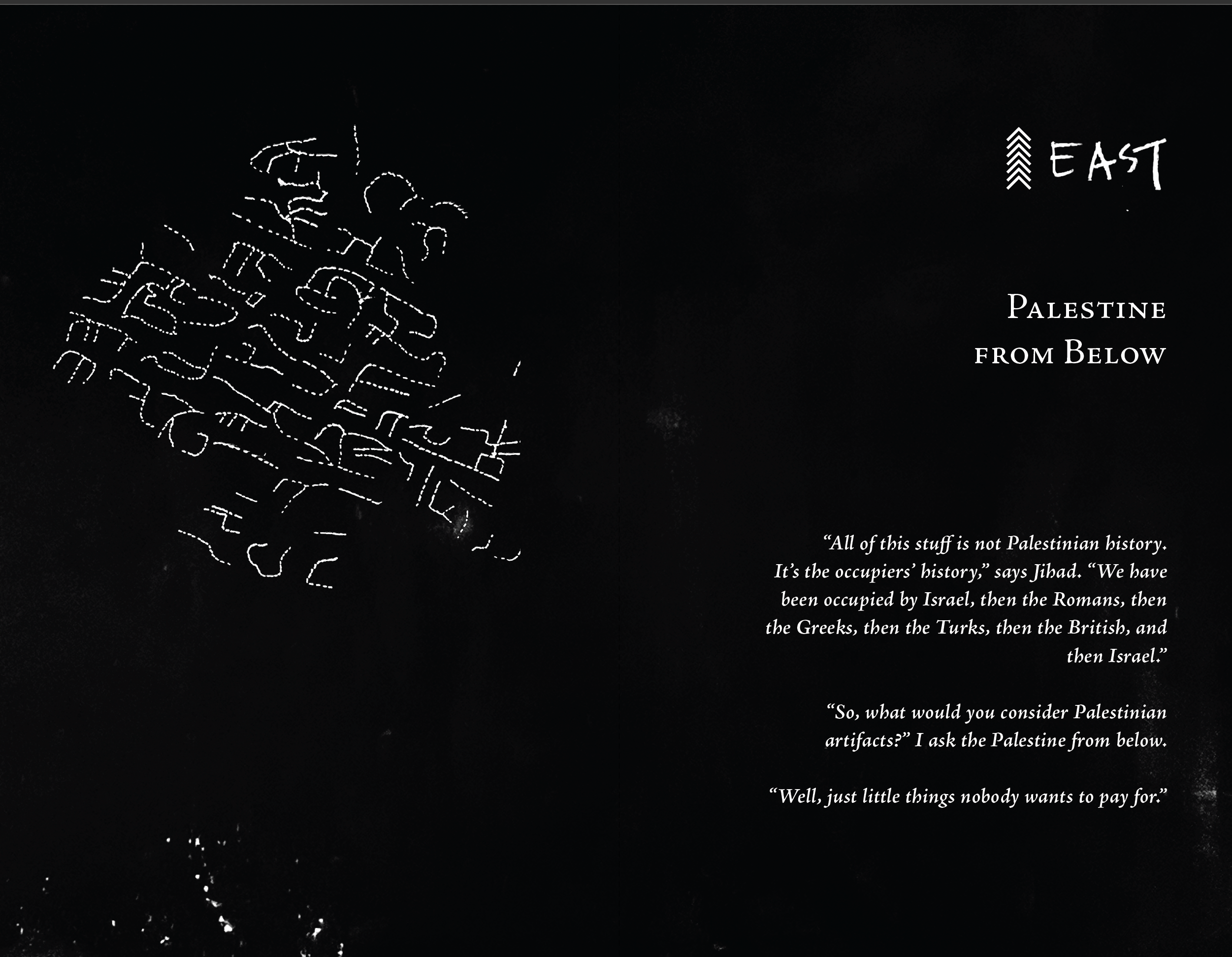
EAST: Palestine from Below
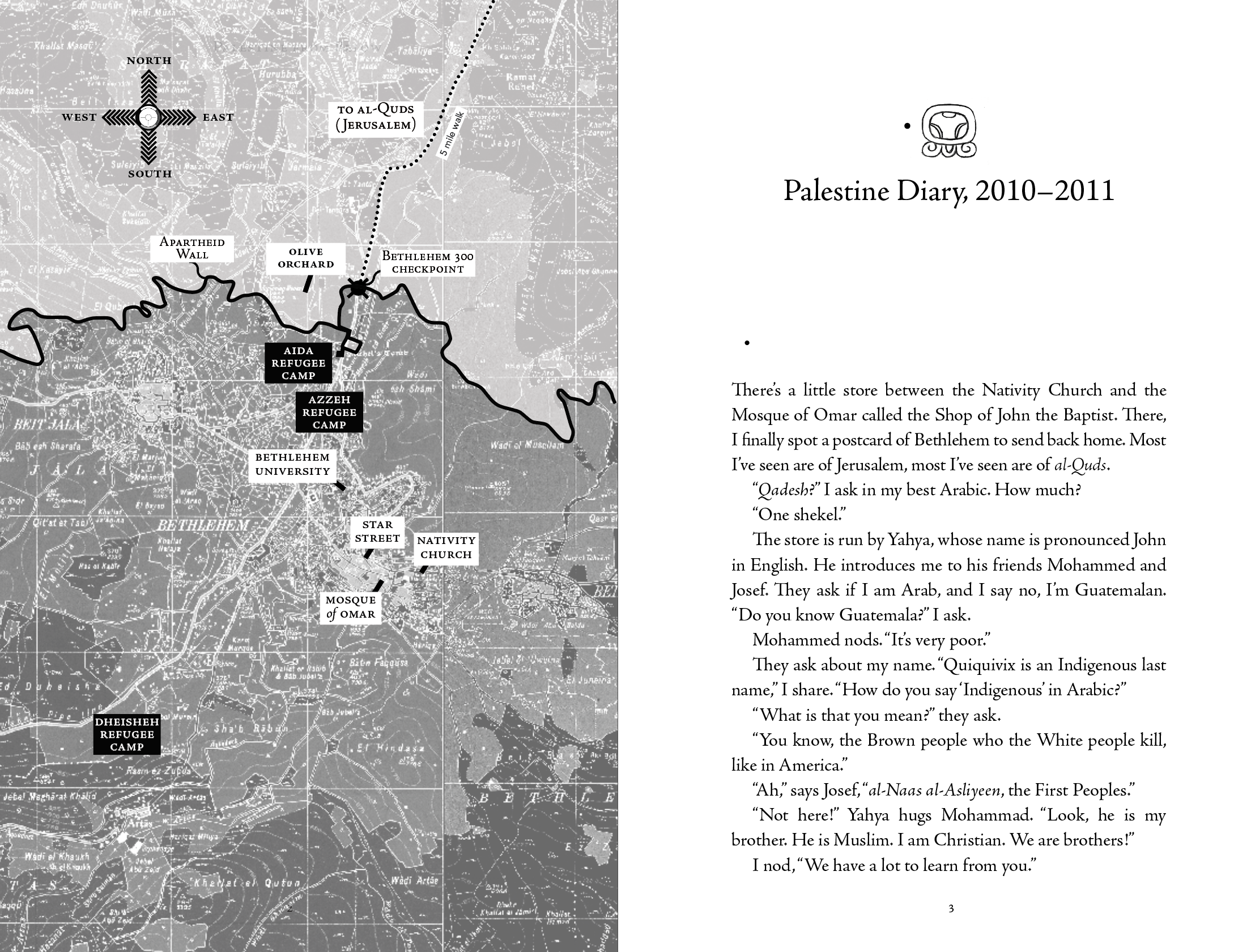
1 – Palestine Diary, 2010-2011
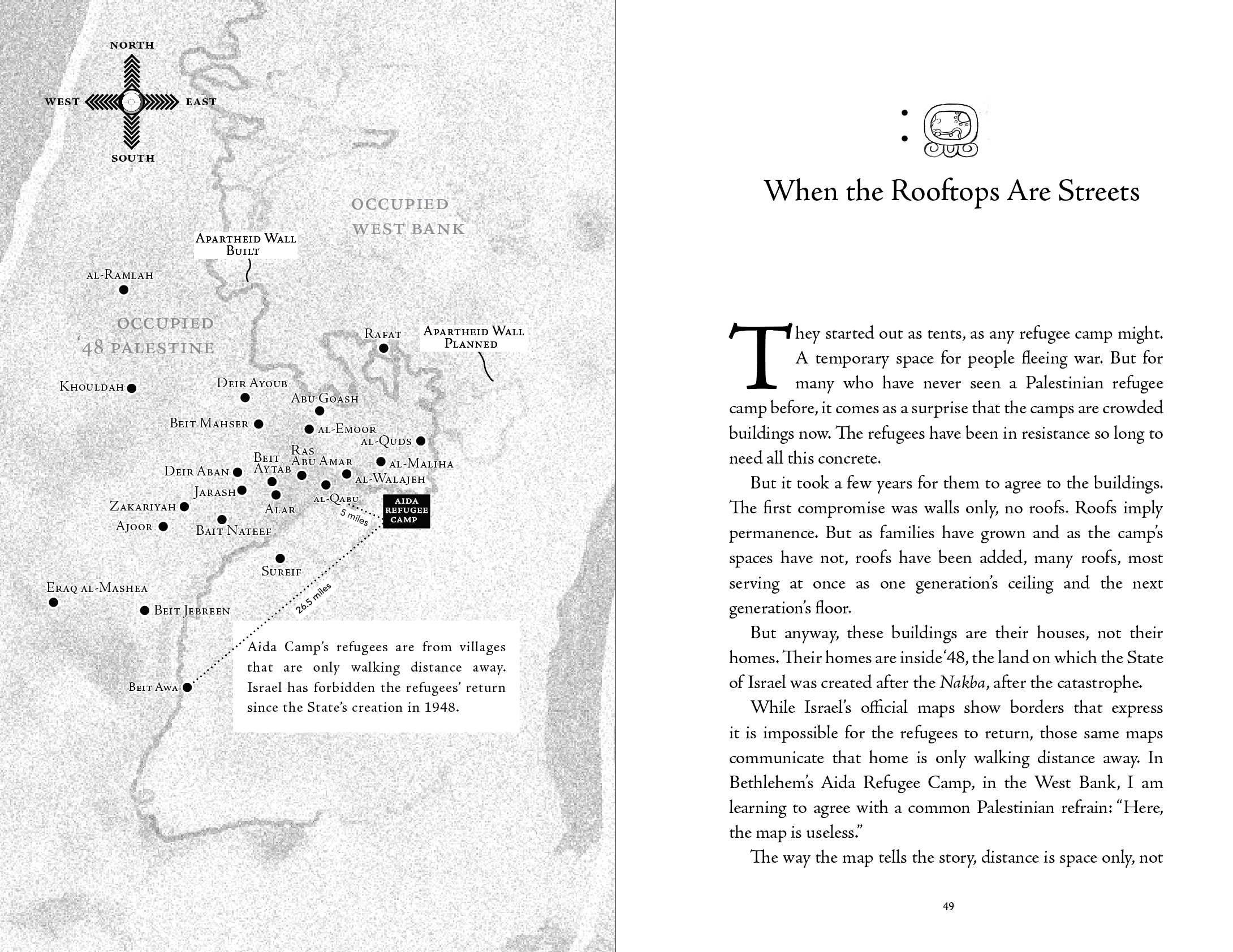
2 – When the Rooftops Are Streets
WEST: Palestine from Above
SOUTH: The Fourth World War
NORTH: A World Where All Worlds Fit
Look Inside
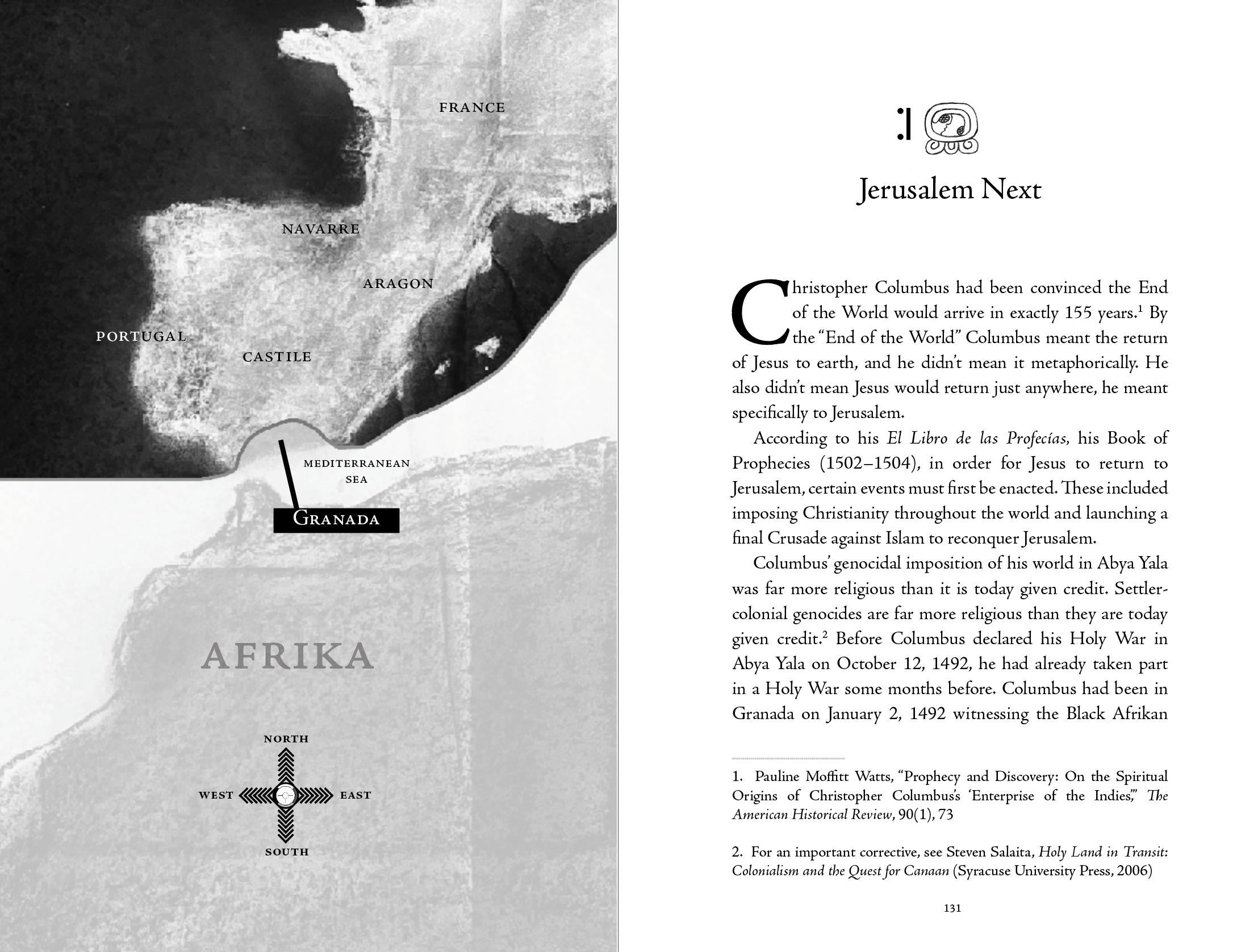
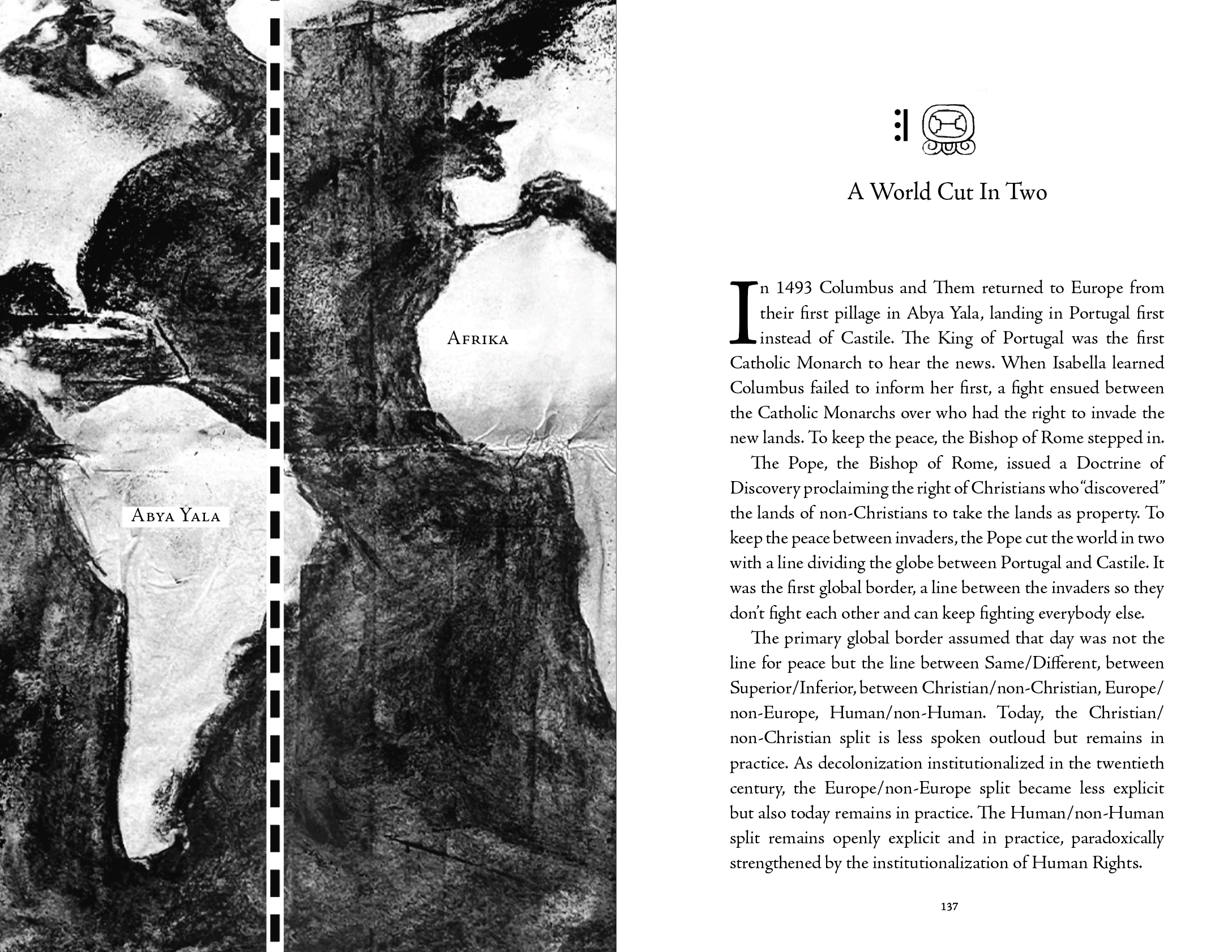
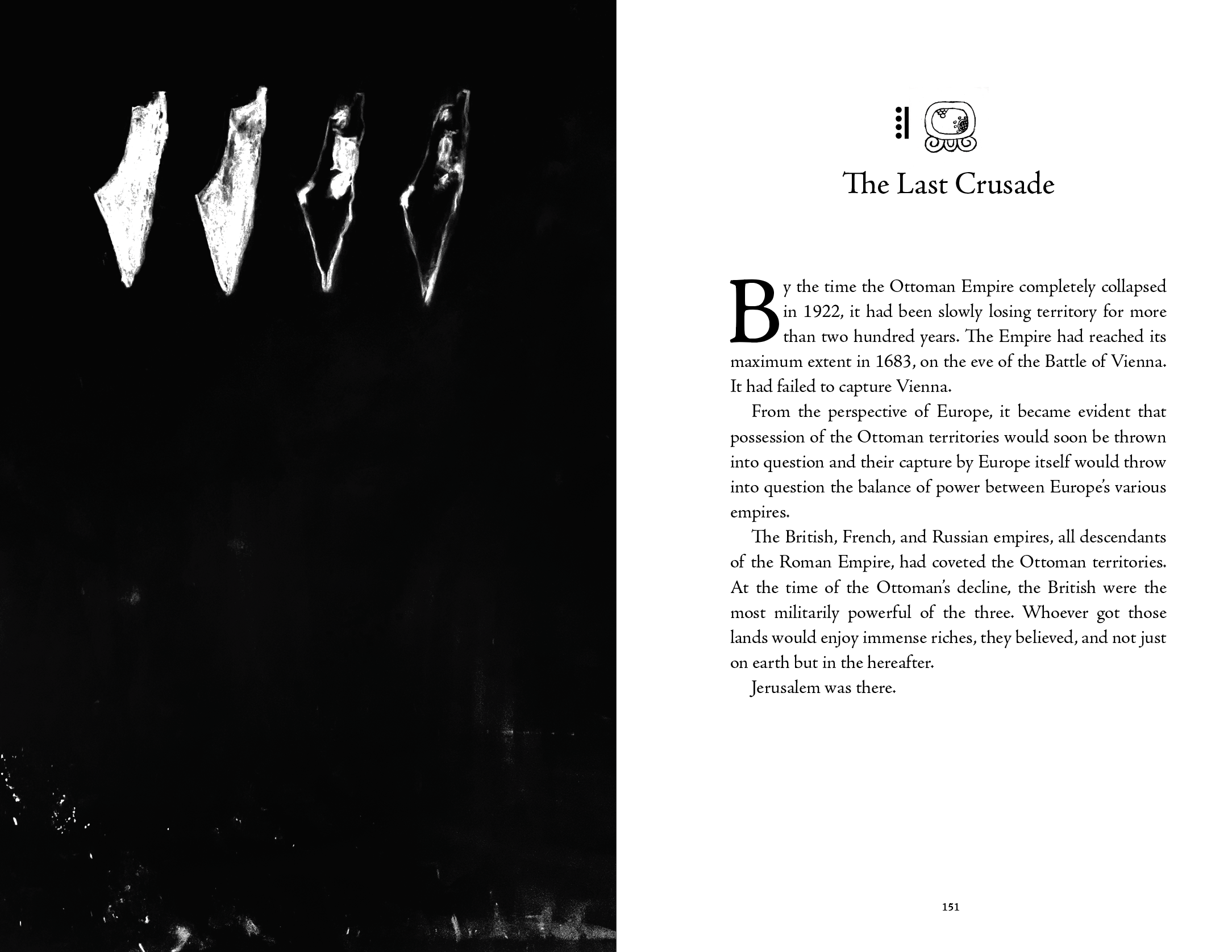
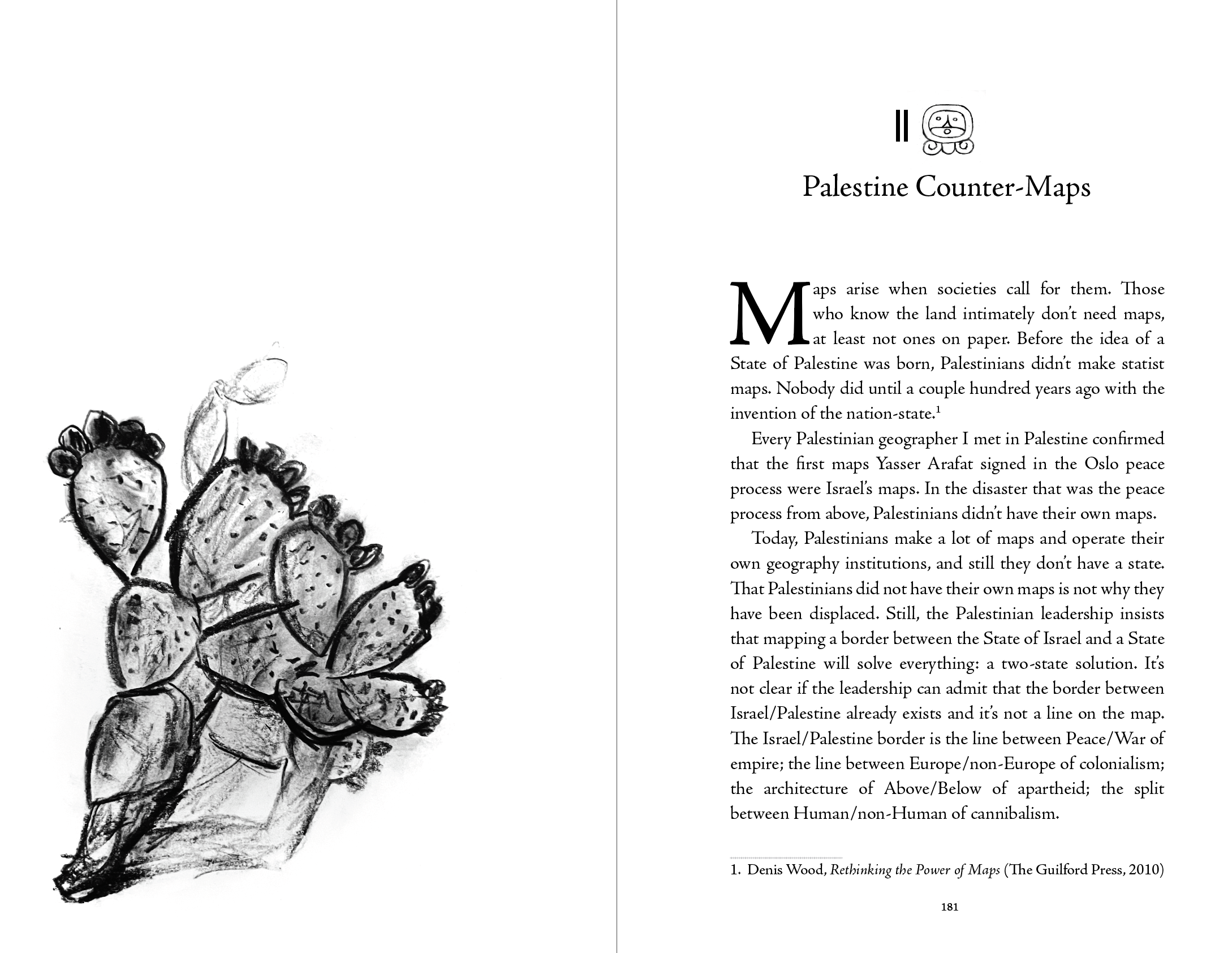
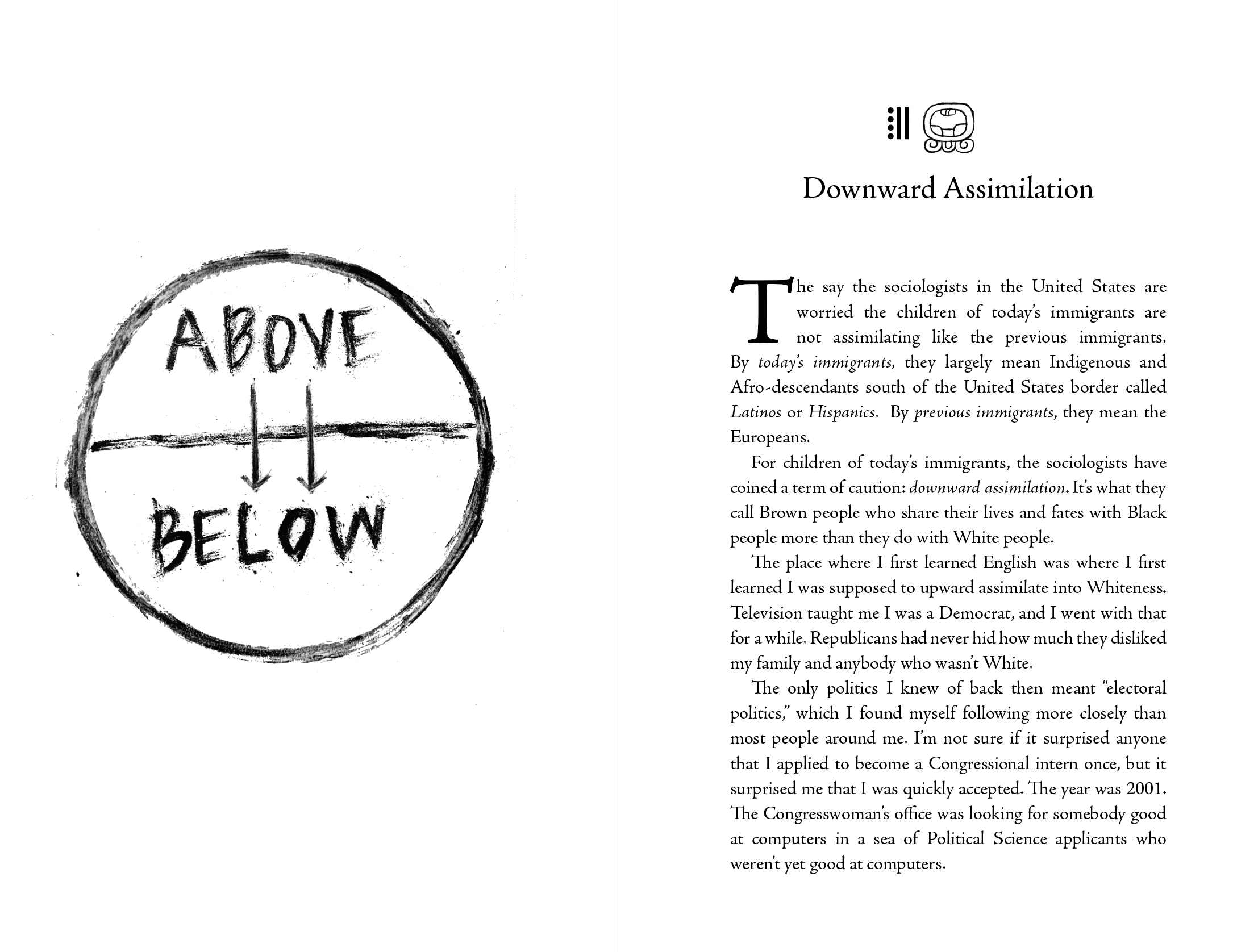
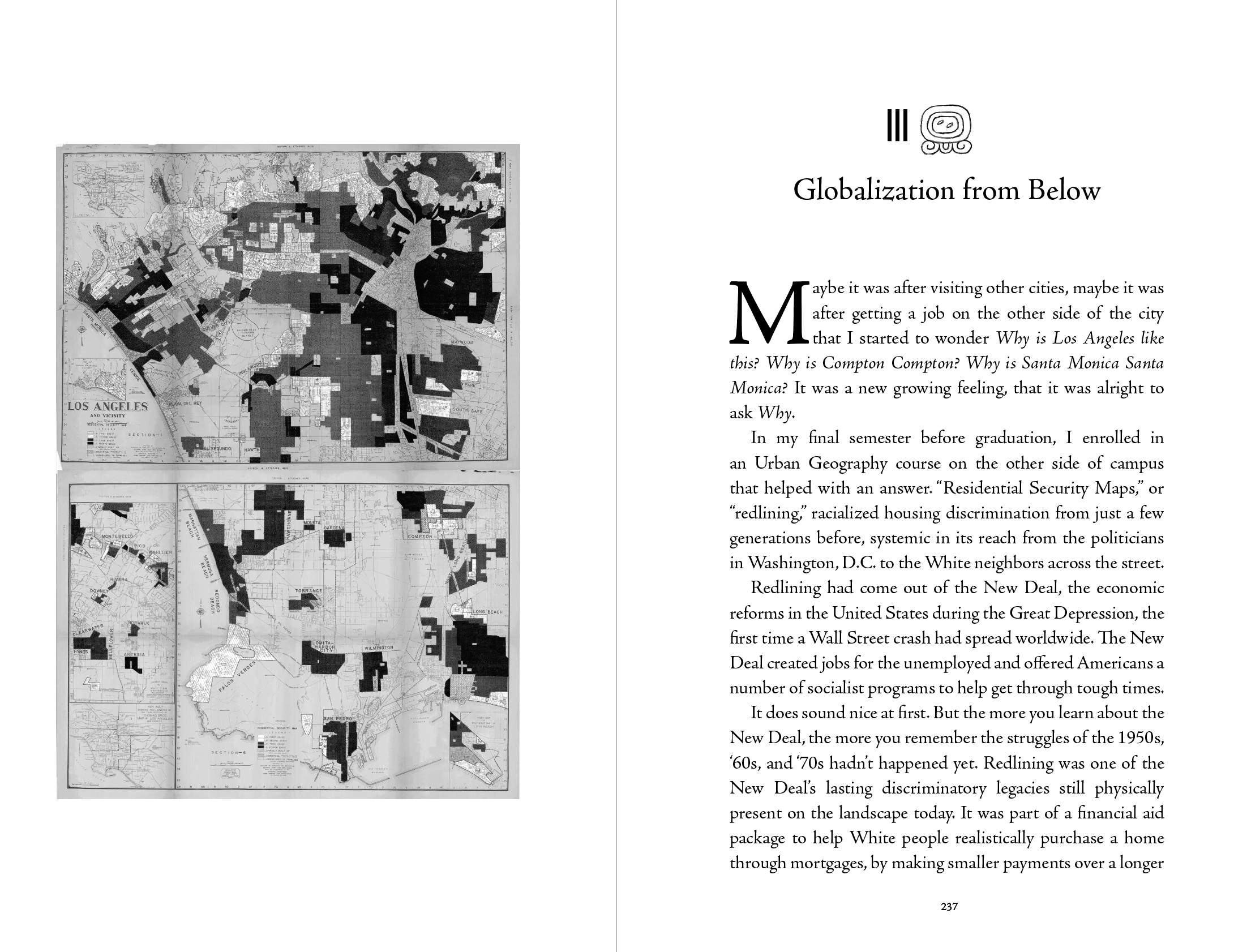
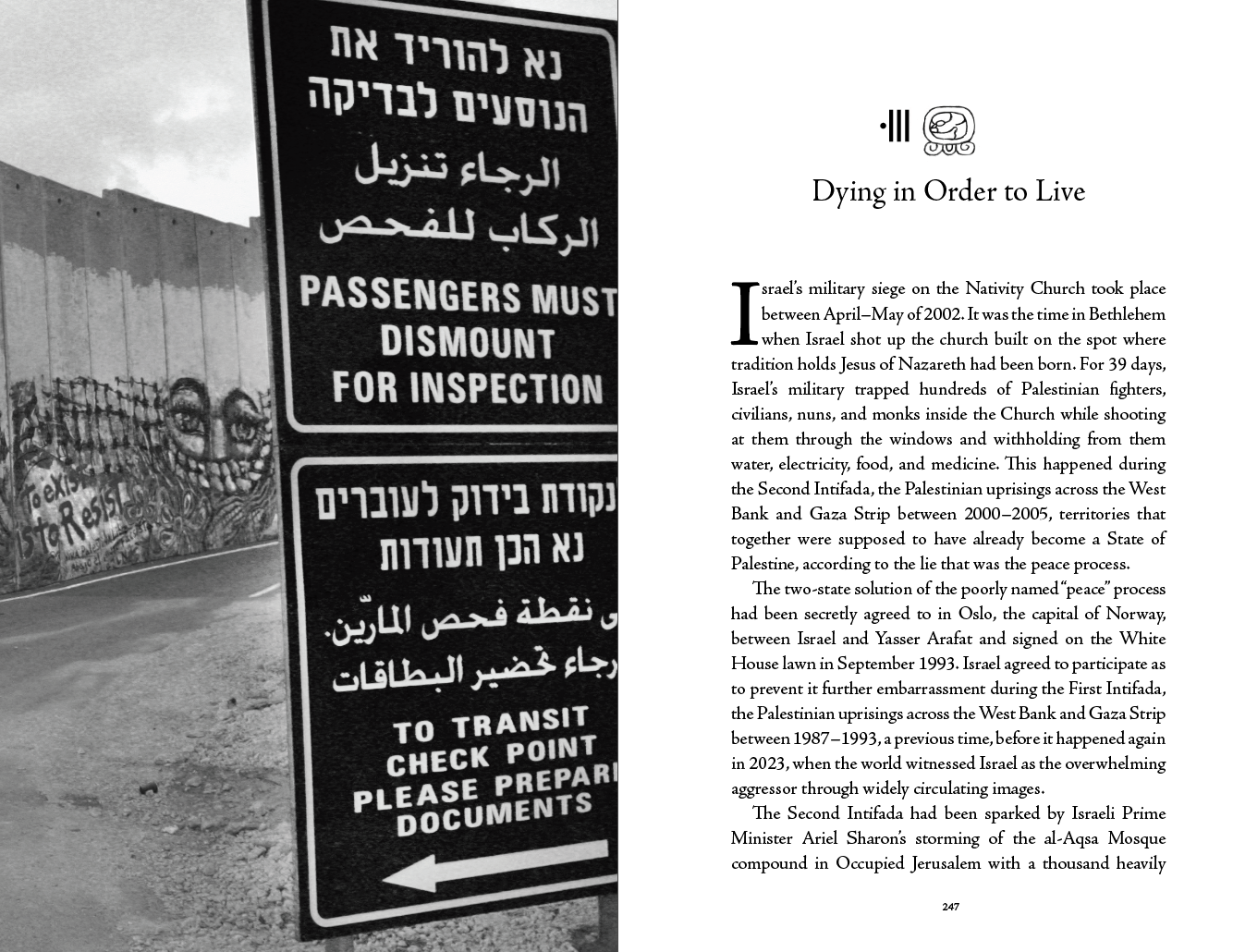
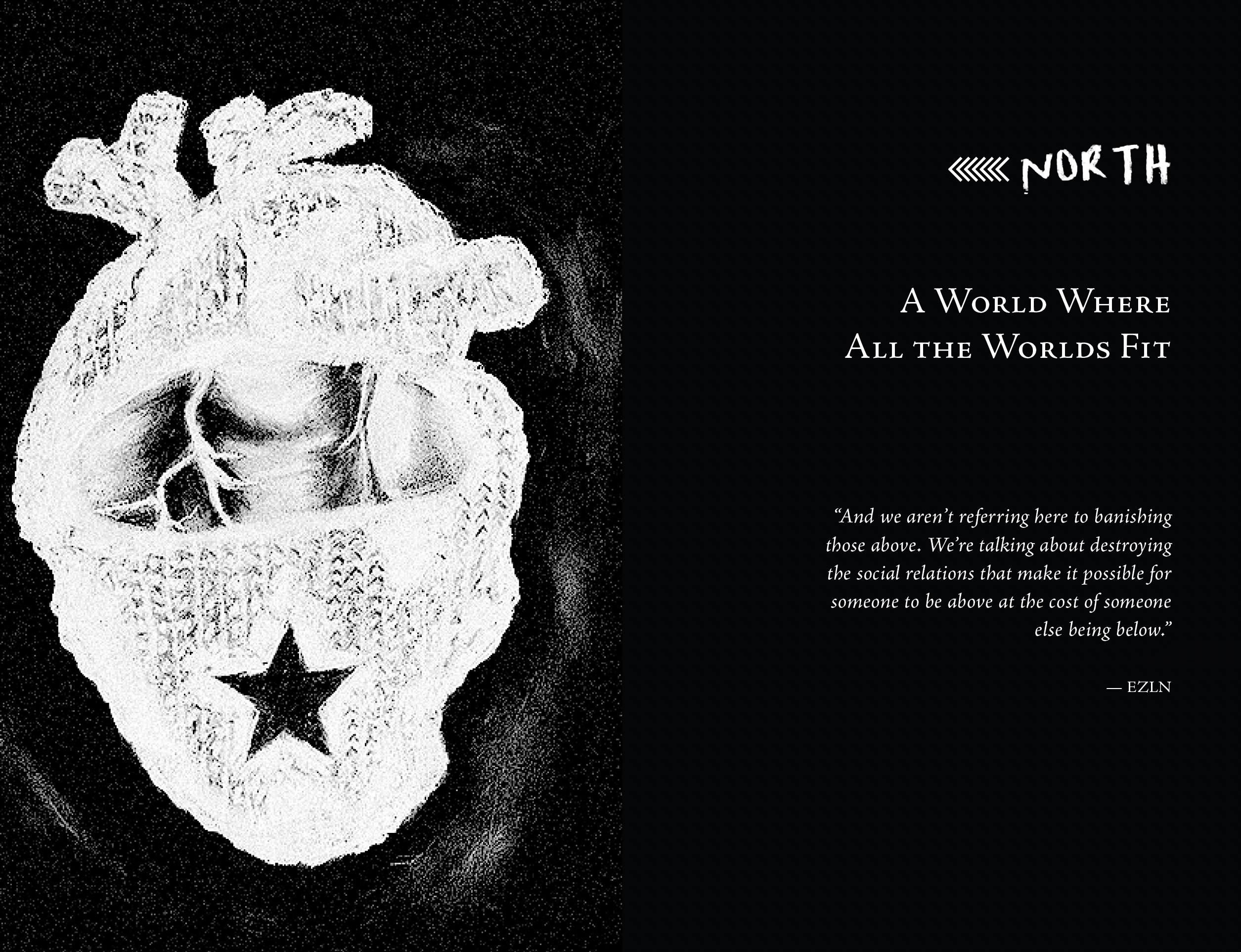
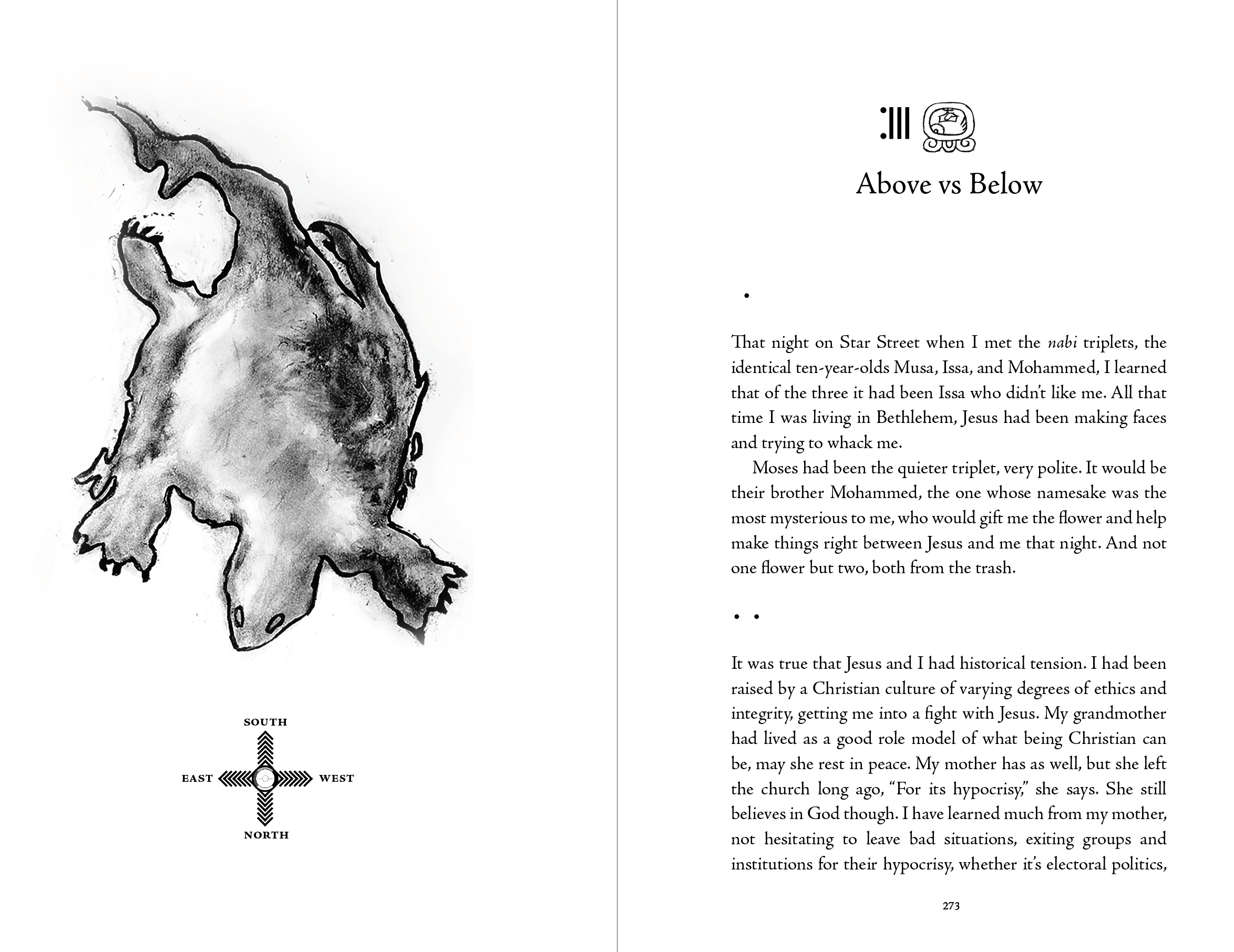
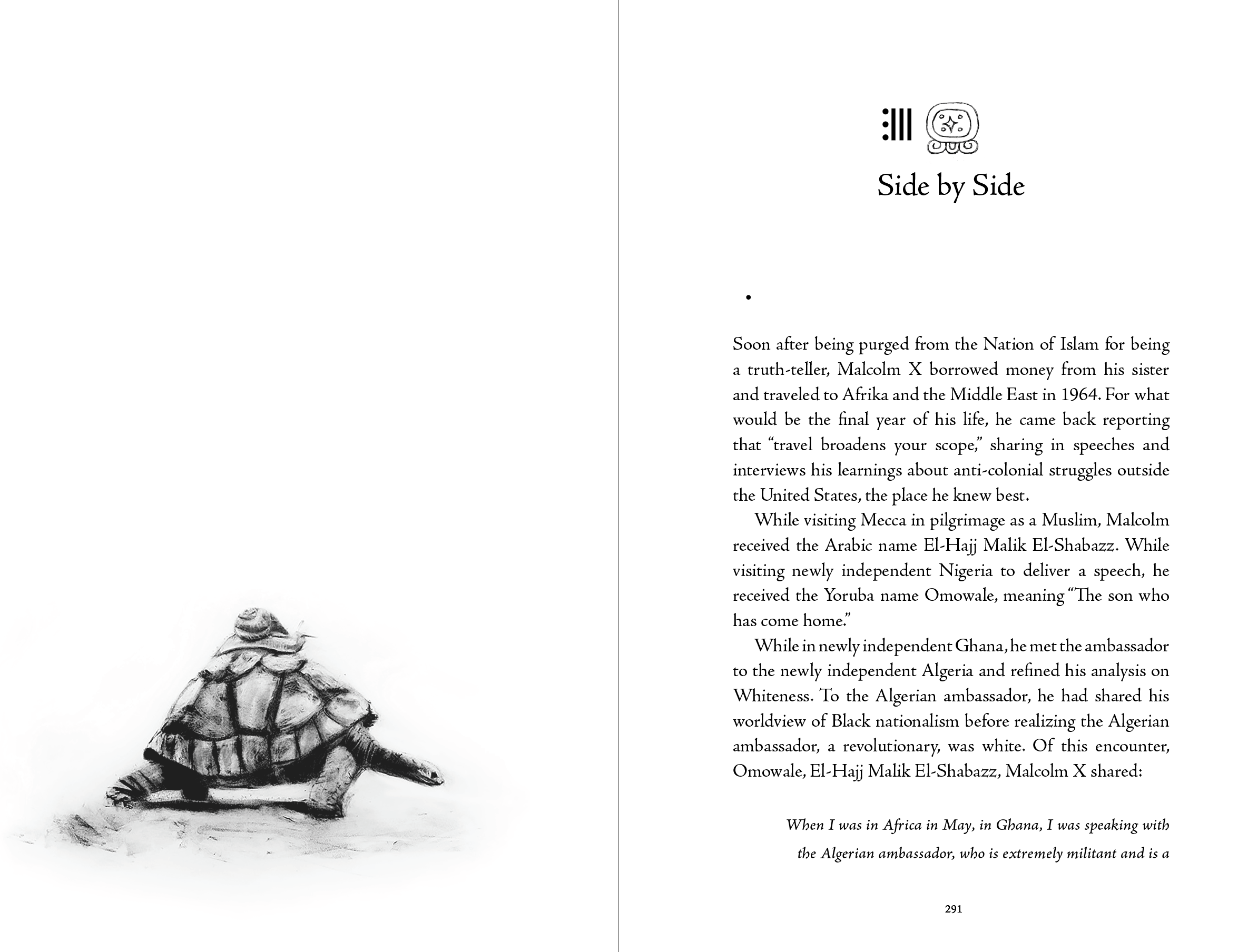
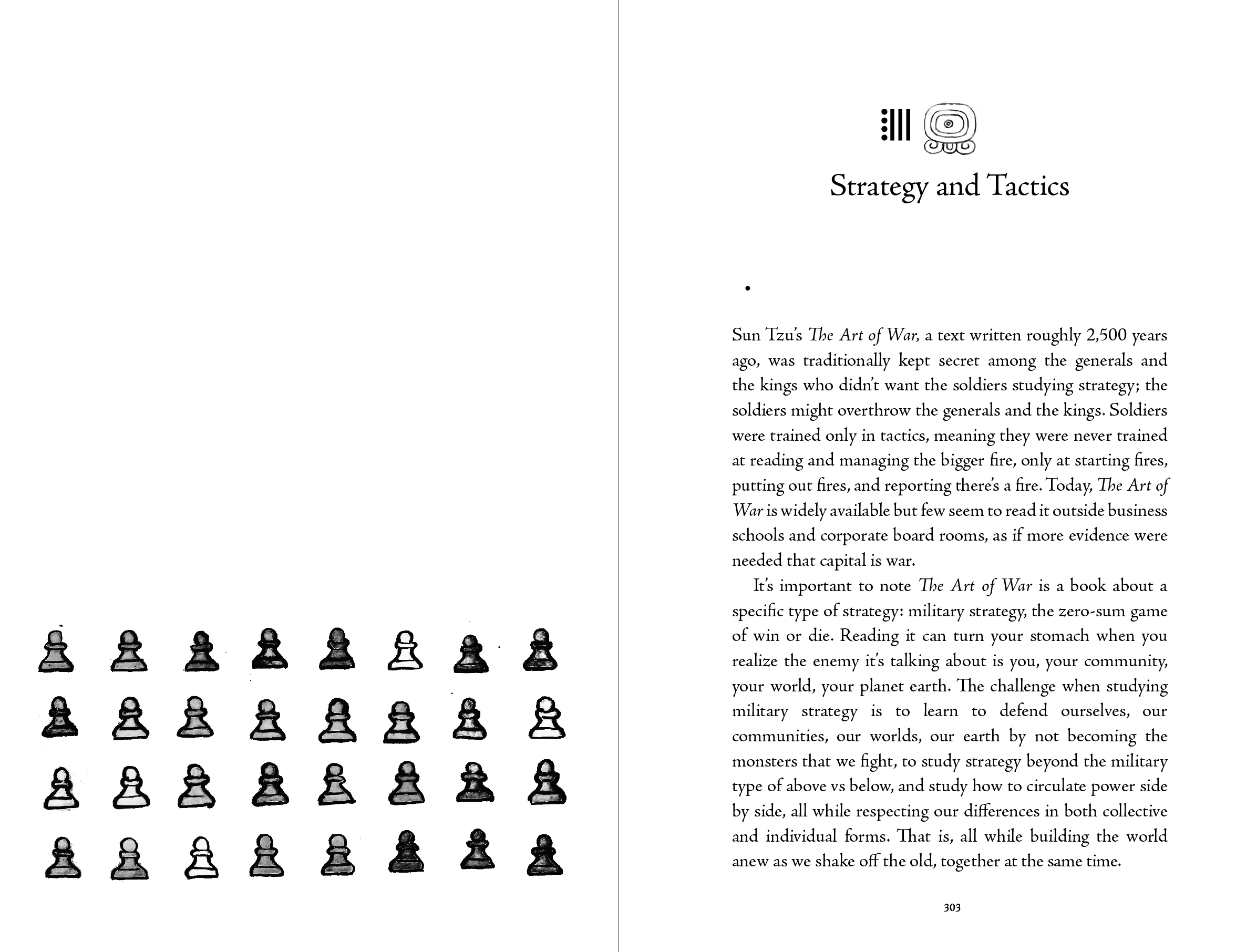
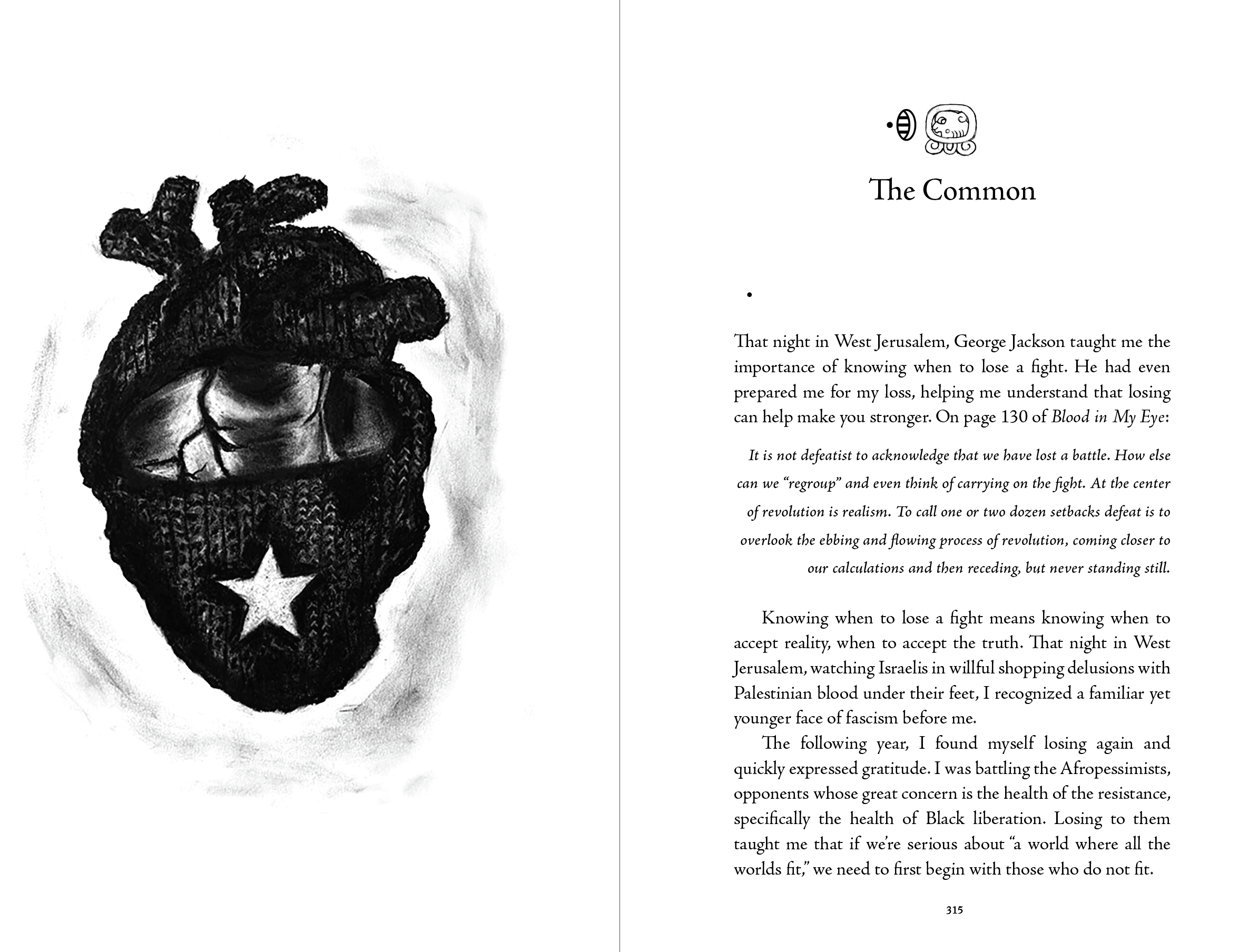
Available worldwide to order from your local independent bookstore and online at